Series · 15 parts
An Attendance Platform in ASP.NET Core
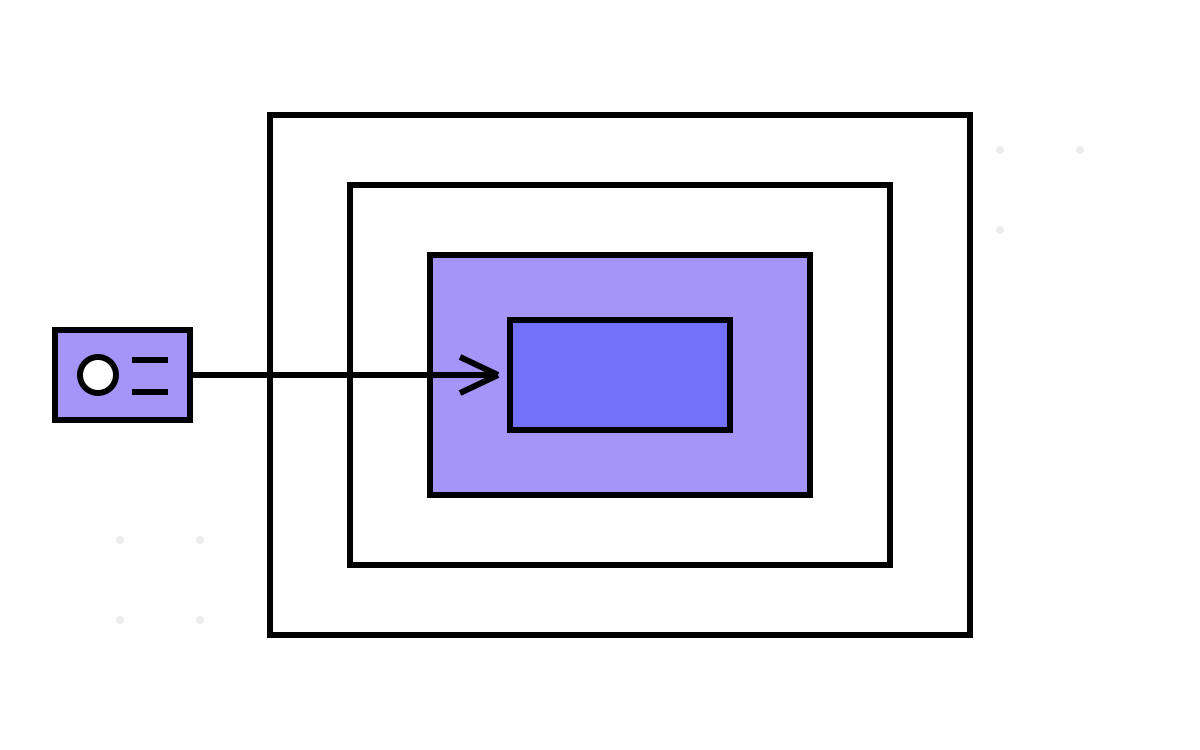
Badge gates, WFH timers and shift allowances - the shape of a seven-project intranet attendance platform, the onion it almost is, and the roadmap for fourteen more parts.
348 articles filed under this topic.
Badge gates, WFH timers and shift allowances - the shape of a seven-project intranet attendance platform, the onion it almost is, and the roadmap for fourteen more parts.
A 6.23 MB JavaScript bundle loaded on every page, a manifest that minifies CSS but concatenates JS, and two copies of jQuery - the first of four frontend chapters the attendance series skipped.
Hard deletes destroy the audit trail; soft deletes clutter live tables forever. Introducing ArchiveKit, a .NET library that intercepts deletions and stores immutable archive snapshots with TTL policies and cascade archiving.
Unit tests mock what you assume, end-to-end tests tell you too late - consumer-driven contract testing closes the gap, and a small open-source .NET library called Pactify is the clearest way I know to learn how it works. Part 1 of a series.
The 22-part Convey series read the packages; it never once walked the sample system that ships with them. Opening the missing chapters with the trip an order takes through Orders, Pricing and Deliveries — and what the samples quietly teach that no package README does.
Rename a property, change a type, ship the release - and every payload you stored last year stops deserialising. Introducing VersionKit, a .NET library that declares schema history as attributes and migrates old data on read.
Controllers grow sideways and Minimal APIs grow into soup. FastEndpoints bets on a third shape - one class per endpoint - and this series reads its source to see how the bet is implemented. Part 1 of FastEndpoints in Depth.
Seventeen parts of reading FastEndpoints and the series never once mentioned mappers - the entity-translation layer half the endpoint base classes exist to serve. The Missing Chapters opens with the biggest gap: where mappers live, how they are found, and why they are secretly singletons. Part 1 of FastEndpoints — The Missing Chapters.
Inflow is a modular monolith whose modules agree on their boundaries and disagree about everything inside them - a four-project onion next to a single feature-sliced assembly. Part 1 of a series reading the money-moving half of the estate.
A teaching repo that implements one airline-charter domain three ways on purpose - CRUD, CRUD-plus-rich, and Clean Architecture - and persists it three ways to match. Part 1 of a source-reading series.
Every team's fifth microservice ships with the same four hundred lines of bootstrap code as the first four. Opening a deep-dive series on Convey, the open-source .NET toolkit that turned that boilerplate into thirty composable packages.
Database-per-tenant, schema-per-tenant, or packed into a shared database? Kicking off a series on building a multi-tenant platform where one EF Core codebase supports all three isolation strategies behind a single control plane.
DShop is one e-commerce shop stamped out as nine microservices over RabbitMQ - this series reads the real source to see how the topology holds together and where it drifts. Part 1 of Nine Services and a Message Bus.
A 2018 API gateway promises that routing, auth, validation and messaging need no code at all - this series reads the source that makes the promise true, and the places where it is not.
DevMentors' ModularMonolith sample packs three conference-system modules, a mini-framework and one deliberately broken contract into eighty-four C# files - opening a series that reads all of it, defects included.
A guided tour of FeedR, DevMentors' open-source .NET microservices sample for real-time data feeds - six services, Redis pub/sub, Apache Pulsar and a gRPC stream, and the two-tier eventing model that makes it worth reading. Part 1 of a source-level deep dive.
Split one database into five services and the transaction you deleted does not disappear - it goes feral. On sagas, compensation, process managers, and Chronicle, the small open-source .NET library this series reads line by line.
Dozens of Azure Functions and Logic Apps need each other's URLs and keys, and there is no Kubernetes, no sidecar, no mesh to hand them out. How a small .NET library turned one Key Vault and a naming convention into a working discovery layer - the consumer side of a registry made of secrets. Part 1 of a new series.
Reading a repository one project at a time hides everything that lives in the edges between them - and in this estate the edges are where the interesting failures are.
Convey sells a microservice in thirty lines, and Pacco builds ten of them - this series reads the whole estate to price what the framework compresses and what every consumer pays for by hand. Part 1 of The Convey Consumer Tax.
Five executables, zero queues - how an attendance platform coordinated a web app, three Azure Functions and a console job through one SQL database, and what that choice bought and cost. Part 1 of the series.
DShop.Common is the shared library nine microservices were built on - and the rough draft of a framework its authors later shipped as Convey.
Every modular monolith claims its modules are decoupled. Inflow proves it the only way that counts - by having no project reference between any two of them - and then has to build a whole mini-framework to make that survivable. Part 1 of a source-read through the shared layer.
Nobody in Pacco approves an order - a vehicle reservation does. A tour of DevMentors' parcel-delivery estate, the domain it models, and the fifteen-part series it earns.
Inflow ships an executable request collection - five .rest files, thirty-seven requests. On a fresh clone nine of them return a 2xx, and eight of those nine are in one file. This series reads the repository itself as the artefact.
Trill's Stories service is four projects with a dependency-free domain at the bottom. Its Users service is two projects with everything in one assembly - same author, same week, same estate, opposite answers to what a layer is.
The DevMentors Trill estate is a nine-service microservices sample spread over eleven sibling repositories with no README, no clone script and no bootstrap tooling - and the only artefact that names the whole system is a Visual Studio solution file.
What .NET Aspire actually does for a real multi-service system - the AppHost model, service defaults, the dashboard, and the road from F5 to deployment.
Wire four services into a .NET Aspire AppHost and run it once - traces, logs, health and environment variables for the whole system, before you have written a single line of observability code. Part 1 of a series on Aspire in production.
SaveChanges is already a transaction, until it isn't enough. A tour of explicit transactions, TransactionScope, execution strategies and the failure modes that only show up in production.
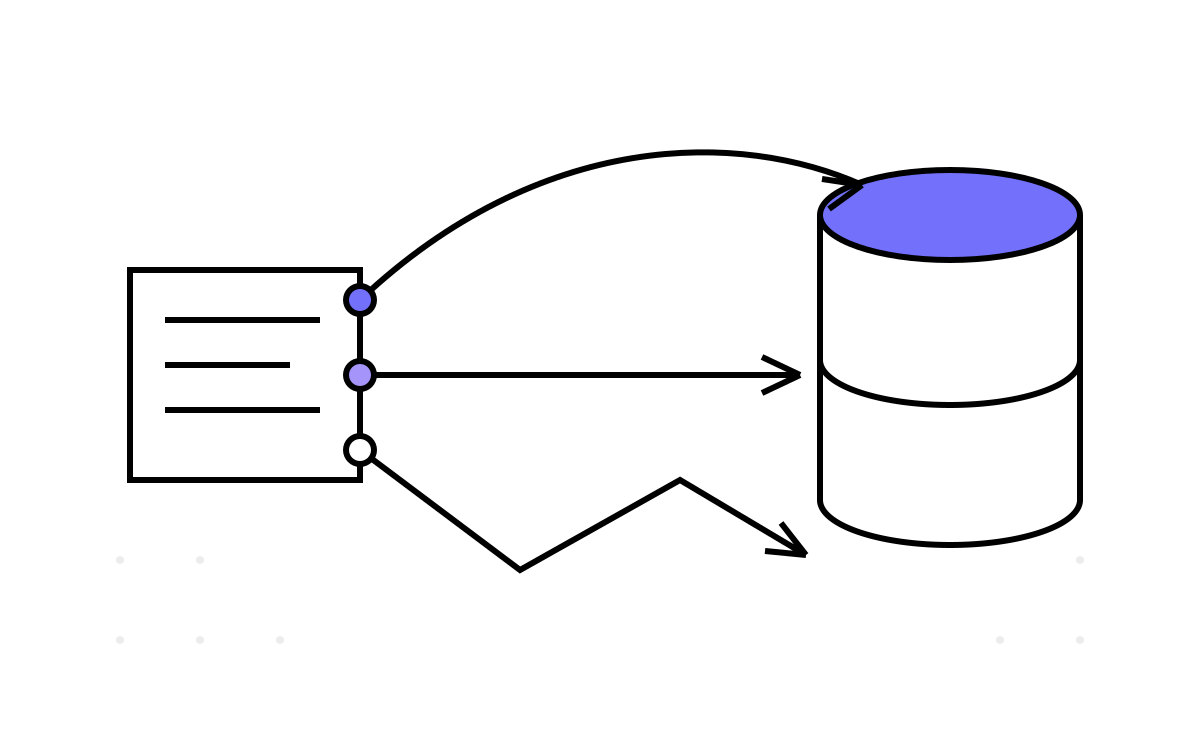
When one job needs another to redo work, it leaves a row - an action enum, a rewind date and a Done flag standing in for a message broker, plus the delete-and-replay proc that makes reruns possible.
The shift calculator writes one report row per employee per day since 2019, inventing blank rows for days nobody badged - a dense date spine built from sentinel values, at the price of one database round-trip per row.
Four magic strings in an audit column decide which rows the batch jobs may overwrite and which belong to humans - provenance, workflow state and inter-job protocol smuggled into a field meant for names.
Badge gates record when you arrived, not which shift you worked - so the platform infers it, scoring every candidate shift by L1 distance in time-of-day space and letting the smallest number win.
The leave sync resumes from wherever its own job log last said Success - one table serving as log, watermark and metrics store at once, with recursive pagination on top and an envelope check in exactly the wrong place.
Leave records arrive late, change and get cancelled - so the sync reaches back into already-approved attendance rows and re-derives them, carefully stepping around human decisions and allowance money.
A daily Azure Function mirrors the HR system's employee master into the attendance database - a field-by-field upsert, a clever delegation rule, a vestigial handshake, and the parse calls that can kill the whole run.
Five executables, zero queues - how an attendance platform coordinated a web app, three Azure Functions and a console job through one SQL database, and what that choice bought and cost. Part 1 of the series.
The honest retrospective - copy-paste as a pattern, zero tests, PII in telemetry and what employee-monitoring data demands, destructive error handling, and the handful of decisions that genuinely earned their keep.
AutoMapper referenced and never mapped, a ghost OpenXml import, a full-framework MVC5 reference in a Core app, Hangfire packages with no jobs, unconfigured Serilog sinks, and an unregistered middleware - what unused packages cost even when nothing calls them.
HTML templates seeded in OnModelCreating, a reflection mini-language that resolves hash-brace tokens against a model, a Gmail-versus-SMTP environment branch, Cc quietly added into To, and string.Format run over raw HTML.
One class bridging the legacy ADAL KeyVaultClient and the modern SecretClient, three coexisting secret postures - managed identity, a service-principal password in config, a committed key file - and a migration frozen mid-flight.
A work-from-home swipe modelled as a state machine, a stop-from-email deep link, the estate's one deliberate IDOR guard that compares instead of overwrites, and a DbContext constructed by hand inside the action.
In-memory session behind three App Service instances with affinity disabled, two distributed caches configured at once, a 1000-second easy-testing timeout, and a Redis expiry that throws every December.
Templates, columns, filters and group-bys stored in tables, a fluent WHERE/HAVING/ORDER builder that parameterises values but concatenates identifiers - self-service BI, second-order injection, and a handful of copy-paste bugs.
EPPlus export by reflection, attribute-ordered columns, six near-identical branches, a ten-byte corrupt-file catch, a ghost OpenXml reference, formula injection, and the licence change that caught a lot of teams off guard.
An entire stored-procedure framework built on an EF6 extension library, shipped inside an EF Core app, in a folder named Future - the anatomy of an abandoned migration and how to recognise one.
A decimal surrogate key beside the natural key that does the work, scaffolded index cruft with a placeholder name, a DbSet of List of string, and lazy proxies in a projection minefield.
Reflection that builds EXEC statements, a table-valued function called by string interpolation, and a raw ADO.NET runner returning lists of lists - one codebase, three coexisting answers to the same question.
MVC5 child actions were removed from ASP.NET Core, so this codebase re-implemented them - an ActionContext conjured mid-request, a MemoryStream response swap, and a .Result at the heart of 118 call sites.
Every controller wrapped its Authorize attribute in
A 2004-vintage SSO protocol wired into ASP.NET Core - ticket validation, roles derived from the database at login time, and single sign-out through a WordPress front door.
Badge gates, WFH timers and shift allowances - the shape of a seven-project intranet attendance platform, the onion it almost is, and the roadmap for fourteen more parts.